
By Folliq Lab
If you've experienced irritation, redness, or flaking from minoxidil, you're not alone. While minoxidil remains the gold standard for hair regrowth, its alcohol-based formula and potential side effects leave many people searching for gentler alternatives. The good news is that modern scalp serums offer promising solutions for sensitive skin, combining proven ingredients with soothing formulations designed to support hair health without the harsh side effects.
This guide will help you understand what makes a scalp serum suitable for sensitive skin, which ingredients to seek out and which to avoid, and how to transition from minoxidil to a gentler routine that still delivers results.
"Studies show that up to 40% of people experience some form of scalp irritation when first using minoxidil, making gentler alternatives an essential consideration for long-term treatment success."
Understanding Minoxidil Sensitivity and Why It Happens

Minoxidil irritation typically stems from two main sources: the active ingredient itself and the vehicle used to deliver it. The most common culprits include:
- Propylene glycol: A common solvent that can cause contact dermatitis in sensitive individuals
- Ethanol (alcohol): Creates a drying effect that can disrupt the scalp barrier
- pH imbalance: Some formulations sit outside the scalp’s natural acidic range
- Preservatives: Certain stabilisers may trigger irritation in reactive skin types
Symptoms often include itching, redness, flaking, burning sensations, and in more severe cases, contact dermatitis. Ongoing irritation can increase scalp inflammation, which may negatively impact follicle health over time.
For those experiencing these issues, exploring natural alternatives to minoxidil may provide a gentler path forward while still supporting hair density and resilience.
Key Ingredients to Look For in Sensitive Skin Scalp Serums
When choosing a scalp serum for sensitive skin, focus on ingredients that balance efficacy with tolerance. The best formulations combine growth-supporting actives with barrier-repairing and anti-inflammatory compounds.
Growth-Supporting Ingredients That Are Typically Well Tolerated
- Redensyl: Targets hair follicle stem cells through botanical extracts without relying on alcohol-heavy vehicles
- AnaGain (Pea Sprout Extract): Supports prolongation of the growth phase
- Capilia Longa: A turmeric-derived compound that offers both growth support and anti-inflammatory benefits
- Caffeine: May support circulation and follicle stimulation when used at appropriate concentrations
- Saw Palmetto Extract: Often used as a topical botanical DHT-support ingredient
Those comparing modern actives to traditional treatments may find it helpful to review how Redensyl compares to minoxidil in both mechanism and tolerability.
Barrier-Repairing and Soothing Ingredients
- Niacinamide: Supports barrier function and helps calm redness
- Panthenol: Deeply hydrating and supportive of scalp comfort
- Sodium Hyaluronate: Maintains moisture balance without heaviness
- Aloe Vera: Provides cooling, soothing support
- Allantoin or Bisabolol: Known for calming reactive skin
"Effective sensitive-scalp serums work on two levels: supporting growth signals while actively restoring the scalp barrier."
Ingredients to Avoid If Your Scalp Is Reactive
| Ingredient Category | Examples | Why They May Irritate |
|---|---|---|
| High-Concentration Alcohols | SD Alcohol, Denatured Alcohol, Ethanol | Can strip protective oils and increase dryness |
| Strong Fragrance Blends | Parfum, high-percentage essential oils | Common triggers for contact dermatitis |
| Harsh Cleansing Agents | SLS, SLES in leave-on products | May disrupt barrier integrity |
| Alkaline Formulations | pH above 7 | Disrupt scalp’s natural acidic balance |
If you are unsure whether your symptoms relate to irritation, dandruff, or another condition, reviewing the differences between dry scalp, dandruff, and scalp fungus can help guide your decision.
The Benefit of Multi-Active, Lower-Irritation Formulas
Multi-active formulations combine several ingredients at moderate concentrations rather than relying on a single high-dose compound. This approach can reduce irritation risk while still supporting multiple biological pathways involved in hair growth.
For example, combining caffeine, Redensyl, AnaGain, niacinamide, and panthenol allows the formula to address follicle signalling, circulation, and barrier repair simultaneously.
Research exploring multi-active scalp serums suggests that layered mechanisms may offer meaningful support, particularly for individuals who cannot tolerate traditional treatments.
Why pH Matters
The scalp’s natural pH sits between 4.5 and 6.5. Staying within this range helps maintain barrier function and microbial balance. Sensitive individuals should prioritise formulations that respect this natural acidity.
Application Techniques for Sensitive Scalps
- Start gradually: Apply every second day initially
- Use a small amount: Avoid oversaturating the scalp
- Massage gently: Light circular motions only
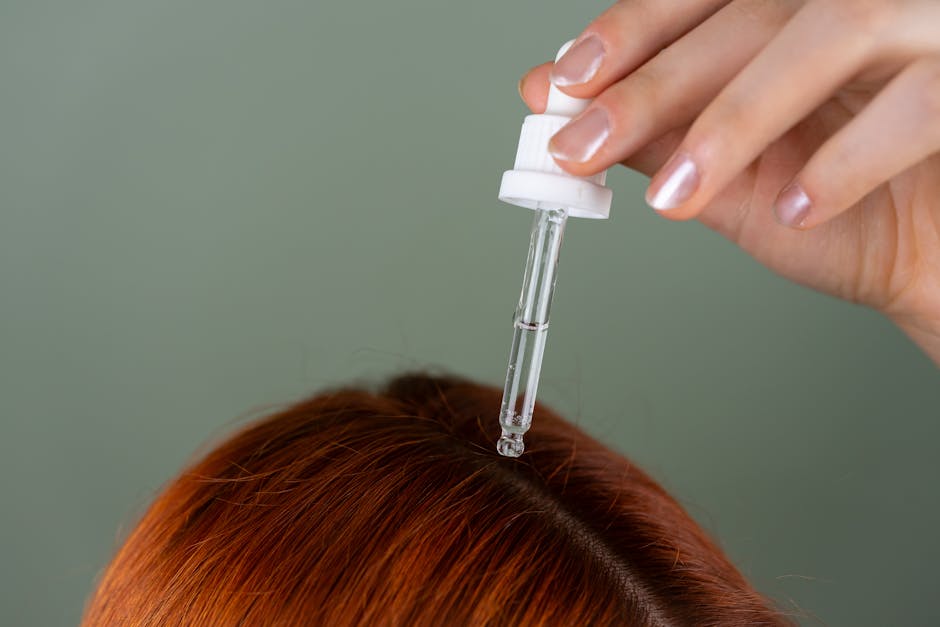
- Apply directly to scalp: Part hair in sections
- Avoid layering immediately: Allow absorption before styling
Patch Testing Is Essential
- Apply a small amount behind the ear or on the inner wrist
- Wait 24–48 hours
- If clear, test a small scalp area
- Proceed gradually if no reaction occurs
Natural DHT-Support Ingredients for Sensitive Skin
For androgenetic alopecia, gentle botanical DHT-support options may be considered. Ingredients like saw palmetto extract, green tea extract, and turmeric-derived compounds are commonly used in sensitive-friendly formulas.
Capilia Longa offers dual benefits by supporting growth pathways while helping calm inflammatory signals.
When to Seek Professional Advice
- Severe swelling, blistering, or spreading rash
- Persistent irritation despite stopping products
- Sudden or patchy hair loss
- Underlying scalp conditions such as psoriasis or dermatitis
If standard treatments have failed or caused significant irritation, reviewing broader causes of treatment resistance in this guide may provide additional context.
How Folliq Lab Approaches Sensitive Scalps
Our trichologist-led philosophy focuses on creating a supportive scalp environment first. The Stem Cell Growth Elixir uses a water-based, pH-balanced formula combining Redensyl, AnaGain, Capilia Longa, caffeine, niacinamide, panthenol, and hydrating compounds designed to support growth pathways while respecting barrier integrity.
The goal is not aggressive stimulation, but consistent, tolerable support over time.
Frequently Asked Questions
How long should I wait after stopping minoxidil before trying a new serum?
Wait at least 1–2 weeks for irritation to fully settle before introducing a new product.
Can sensitive scalps still see regrowth?
Yes, but progress may be slower and requires consistency. Focus first on restoring comfort and barrier integrity.
Are alcohol-free formulas always better?
Not automatically, but many sensitive individuals tolerate water-based, low-alcohol or alcohol-free formulas more comfortably.
How long do gentle serums take to show results?
Most require 6–12 months of consistent use to properly assess visible changes.
The information in this article is for general education only and is not a substitute for personalised medical advice. Always consult a healthcare professional before making changes to your treatment plan.
